
My heart aches for the times we live in. The atrocities committed in Dayton and El Paso this past weekend don’t seem like isolated events. They seem like the inevitable result of living in a world consumed with glorifying oneself on social media, with demonizing those who hold different political points of view, and with isolating ourselves into our own micro-communities of people who look and vote like us.
Something about Dayton and El Paso seemed to signify a breaking point. People everywhere want the craziness to stop, and to stop now. Many are turning to government for a solution, and there are things the government should do quickly to help. But our government is a reflection of us; we cannot ask it to do that which we are not doing. And so I ask:
These relationships are what Chip and Dan Heath call “bright spots” in their fabulous book, Switch: How to Change Things When Change is Hard. When trying to solve big problems, we should focus on the bright spots of what is working well instead of fixating on situations that are not. The authors write, “Big problems are rarely solved with commensurately big solutions. Instead, they are most often solved by a sequence of small solutions, sometimes over weeks, sometimes over decades” (Switch, p. 45, emphasis added).
I was surrounded by bright spots in my life last week when I went to St. John’s Jesuit High School in Toledo to celebrate 25 years of working together since their students first stopped at a dumpsite in Guatemala City and asked how they can help. I heard from students, parents, teachers, and supporters from diverse walks of life talk about how their experience with people in other nations has enhanced their lives. At almost the exact same time, Selam Terefe, our country leader in Ethiopia, was hosting a similar party for our scholars and volunteers there. Half a world away from each other, two groups of people came together to celebrate the work of people like you who have stopped to ask how they can help, and then answered the call, for 25 years. That’s a bright spot to build on.
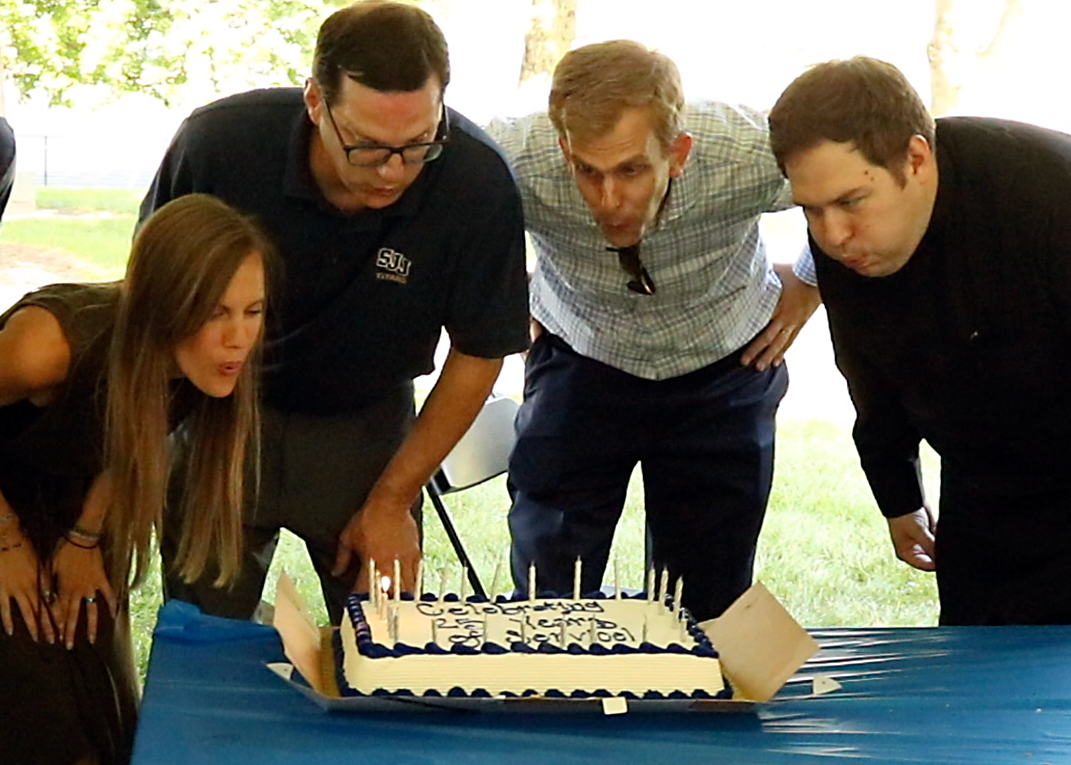
Celebrating our anniversary at St. John’s Jesuit (USA)
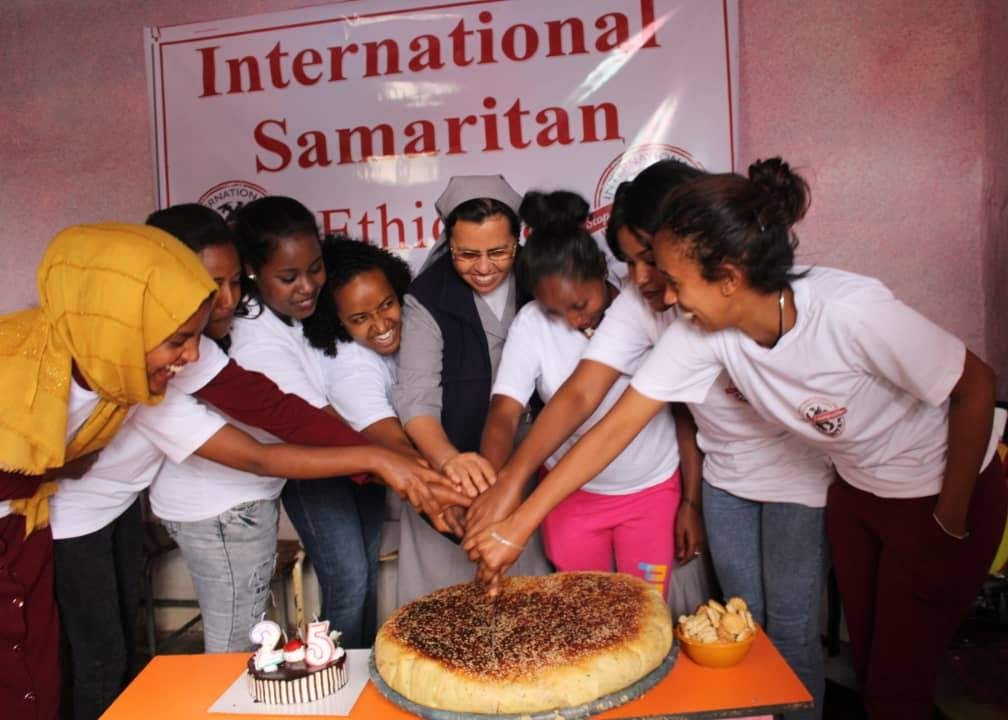
The celebrations at our offices outside of Addis Ababa (Ethiopia)

The celebrations in El Ocotillo (Honduras)
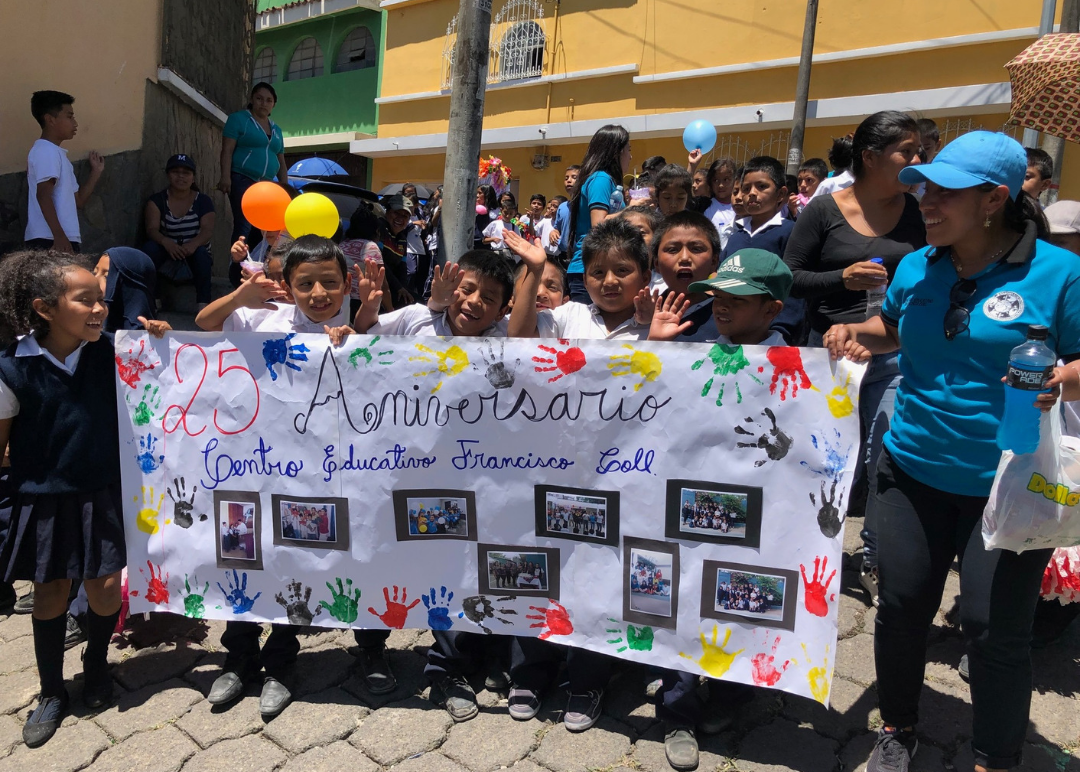
The celebration at Fransisco Coll, added retroactively (Guatemala)
As I write this, Angelica Cancinos, the leader of our work in Guatemala, is busy preparing for the 25th year anniversary of the Coll School in Guatemala, which was the first project we undertook in response to the question of how we can help.
Different nations. Different cultures. Different languages and customs. But one people under God. Let’s all spend time this week, and next, and the week after that focusing on the bright spots in our own life and spending purposeful time in life-giving relationships with people who may not look or vote like us.
“Big problems are … most often solved by a sequence of small solutions, … sometimes over decades.”
What Inspires Us to Good
By Mike Tenbusch | November 5, 2020 While we in the US wait patiently for election results, our friends across the world are confronting different challenges. Hurricane Eta has pummeled Nicaragua and Honduras since Tuesday afternoon. Driving rains and rising rivers...
Why Angelica Runs
By Mike Tenbusch | September 29, 2020 For over 12 years now, Angelica Cancinos has been the conscience of our work through her leadership of our Paso a Paso scholarship program in Guatemala. I met with her in Guatemala before taking this position, and the power of...
Why He Walks
By Mike Tenbusch | September 24, 2020 Last week I shared a reflection on life from one of our scholars to give you inspiration for why we are running the IntSamGlobal5k. You may have been thinking, “That’s great for them, but there’s no way I’m going to be able...
